Introduction
It was during one of those endless summer afternoons that I first noticed something different about how certain people carry themselves in the heat. I had been scrolling through social media when I came across a casual photo of Drake wearing what appeared to be the perfect summer shorts – not too formal, not too casual, just effortlessly appropriate. The image stuck with me because it contrasted so sharply with my own approach to warm-weather dressing, which typically involved either overly stiff trousers or athletic shorts that felt out of place anywhere but the gym. That moment sparked a curiosity about finding shorts that could bridge that gap between comfort and style, leading me to explore options that might work for my own lifestyle.
What struck me about that particular style moment was how unforced it appeared. There was no obvious effort to make a fashion statement, yet the overall look communicated a sense of put-together ease that I realized was missing from my own summer wardrobe. I began paying more attention to how people dressed during warm weather, noticing the subtle differences between those who looked comfortable and stylish versus those who simply looked like they had given up on dressing well because of the temperature. This observation period made me realize that my summer clothing choices had become somewhat binary – either fully casual or uncomfortably formal, with very little in between.
The search for this middle ground became something of a personal project over the following weeks. I found myself examining the shorts section in stores with a more critical eye, trying to identify what elements might contribute to that balanced look I had admired. It wasn’t about copying anyone’s style exactly, but rather understanding the principles behind clothing that works well in real life situations. I started considering factors I had previously overlooked – how the fabric moved, where pockets were placed, how the color worked with different tops. These considerations felt surprisingly important once I started paying attention to them.
Real-life Context
My typical summer week involves a mixture of working from home, meeting friends for casual gatherings, running errands around town, and occasionally needing to look presentable for more formal social occasions. Like many people, my life doesn’t fit neatly into categories of ‘work clothes’ and ‘weekend clothes’ anymore – the boundaries have blurred, especially since remote work became more common. This means I need clothing that can transition smoothly between different contexts without requiring complete outfit changes throughout the day.
Last summer, I found myself frequently frustrated by my limited options. My existing shorts either felt too informal for anything beyond the house or backyard, or they were uncomfortable for extended wear during warm weather. The stiff denim shorts I owned became restrictive after a few hours of sitting, while the athletic shorts I defaulted to for comfort often felt inappropriate when I needed to quickly run to the store or when friends suggested meeting up somewhere slightly more dressed up than a coffee shop. I didn’t realize at the time that this would be so important, but having clothing that works across different scenarios actually reduces daily decision fatigue and makes getting dressed feel less like a chore.
The turning point came during a particularly busy week where I had back-to-back commitments requiring different levels of formality. On Tuesday, I had a video call with colleagues followed by grocery shopping and then meeting friends for an early dinner. Changing clothes between each activity felt wasteful of both time and laundry resources, yet wearing the same outfit throughout meant compromising on either professionalism or comfort at different points in the day. This experience highlighted the practical need for versatile clothing that could adapt to changing daily contexts without looking out of place in any of them.
Around this time, I also started noticing how certain fabrics performed differently in summer conditions. Some materials seemed to trap heat and moisture, while others remained relatively cool and breathable even during the warmest parts of the day. The difference wasn’t just about comfort – it affected how confident I felt throughout the day. When clothing feels comfortable, you tend to forget about it and focus on whatever you’re doing, but when it’s constantly reminding you of its presence through discomfort, it becomes a distraction from everything else.
Observation
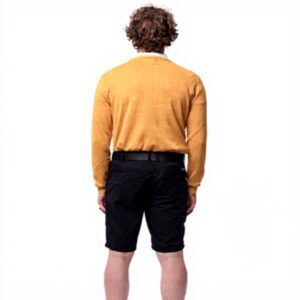
When I first tried the Teddy Smith Sailor Chino Poplin Stretch Shorts, what immediately stood out was how the fabric moved with me rather than against me. The stretch poplin material had a subtle give that accommodated movement without losing its shape, which made activities like bending down to pick something up or sitting for extended periods noticeably more comfortable than with traditional non-stretch fabrics. This practical benefit became apparent during ordinary moments – reaching for a book on a high shelf, getting in and out of the car, or simply shifting positions while working at my desk.
The practical aspects of the design revealed themselves gradually through daily use. The Italian side entry pockets proved useful for keeping my phone secure and accessible without creating bulky outlines, while the two back welt pockets provided just enough storage for small essentials like keys or a wallet. These features might sound minor when listed in a product description, but in actual use, they contribute significantly to how functional clothing feels throughout the day. Having pockets that actually work for their intended purpose, rather than being merely decorative, makes a noticeable difference in how you interact with your clothing.
I found myself appreciating the classic chino cut more than I expected. The straight-leg silhouette maintained a clean appearance that worked well with different types of footwear – from casual sneakers to slightly more formal loafers – without looking intentionally ‘styled’ in either direction. This versatility meant I could wear the same pair of shorts with a simple t-shirt for running weekend errands or with a casual button-down shirt for meeting friends, and the shorts themselves never felt out of place in either context. The understated elegance of the design meant they didn’t demand attention but rather complemented whatever else I was wearing.
Over several weeks of wear, I noticed how the shorts held up to regular use. The fabric maintained its appearance without significant wrinkling, even after being worn for a full day, and the color remained consistent through multiple washes. These practical durability aspects matter more than I initially realized – clothing that looks tired or worn after limited use ultimately proves less useful, even if it’s comfortable initially. The balance between immediate comfort and long-term wearability became increasingly important as I incorporated the shorts into my regular rotation.
The available color options – Gris Anthracite, Goldfarben, and Kaki Dark – offered neutral versatility that worked with most of my existing summer tops. I particularly appreciated how the Kaki Dark shade complemented both cool and warm tones in other clothing items, making outfit coordination straightforward without requiring much thought. This practical color versatility meant I could grab the shorts without worrying about whether they would work with whatever shirt I selected, reducing the morning decision-making process that sometimes slows me down when I’m trying to get out the door.
Reflection
What surprised me most about incorporating these shorts into my wardrobe was how they changed my approach to summer dressing overall. Instead of viewing warm-weather clothing as a compromise between comfort and style, I began to see that well-designed pieces could deliver both simultaneously. This shift in perspective felt significant because it addressed a frustration I hadn’t fully articulated before – the sense that I had to choose between feeling comfortable and looking appropriate for different situations. Discovering that this binary choice was unnecessary made getting dressed feel less like a series of compromises.
I found myself reflecting on why certain clothing items work better thn others in real-life contexts. The practical features I initially noticed – the stretch fabric, functional pockets, classic cut – all contributed to an overall wearing experience that felt considered rather than accidental. This thoughtful design approach became more apparent the longer I wore the shorts, as small details that seemed minor at first revealed their purpose through repeated use. The front button closure with zipper, for instance, provided secure fastening without the bulkiness sometimes associated with other closure types, and this small detail contributed to the overall clean appearance.
The way the shorts performed across different scenarios prompted me to think more broadly about how we evaluate clothing. Technical specifications matter, but they only tell part of the story – the real test happens during ordinary activities, when clothing either facilitates or hinders what we’re trying to do. The stretch poplin fabric’s performance during a day that involved everything from sitting at a desk to walking through the park to helping a friend move some light furniture demonstrated how material properties translate into practical benefits across diverse situations.
I also began to appreciate how timeless design elements often prove more useful than trend-driven details. The classic chino style of these shorts meant they didn’t look dated or overly fashionable – they simply looked appropriate. This quality became particularly valuable for occasions where I wanted to feel put-together without drawing attention to my clothing choices. The subtle elegance of the design supported rather than dominated whatever else I was wearing, which aligned well with my preference for clothing that serves as a foundation for personal style rather than making a statement on its own.
Reflecting on the various situations where I wore the shorts – from casual weekend activities to more dressed-up summer gatherings – I realized that versatility in clothing comes from balancing multiple factors: comfort, appearance, functionality, and durability. When any of these elements is missing or compromised, the clothing becomes limited in its usefulness. The experience of wearing these shorts across different contexts highlighted how these factors work together to create clothing that genuinely works for real life rather than just looking good in theory.
Conclusion
Looking back on that initial moment of noticing Drake’s summer style, I recognize now that what caught my attention wasn’t just the specific clothing items but the overall impression of ease and appropriateness they created. The journey to find shorts that could provide a similar balance in my own wardrobe taught me more about what makes clothing work in real life than any product description could convey. The practical experience of wearing something day after day, in different situations, reveals qualities that aren’t always apparent during a quick try-on in a store.
The Teddy Smith Sailor Chino Poplin Stretch Shorts ultimately proved their value through consistent performance across the varied scenarios of my summer life. From home office days to social gatherings to everyday errands, they provided the comfort and appropriate appearance I had been seeking without requiring compromises I had previously accepted as inevitable. This experience reinforced my belief that well-designed clothing should facilitate rather than complicate daily life, supporting whatever activities the day brings without demanding constant attention or adjustment.
What began as a simple search for better summer shorts evolved into a broader appreciation for how thoughtful design impacts wearing experience. The stretch poplin fabric, practical pocket placement, classic chino cut, and versatile color options all contributed to creating shorts that worked with my lifestyle rather than against it. These elements might seem separate when listed individually, but in practice, they combine to create clothing that feels cohesive and considered – qualities that become increasingly valuable the more you wear something.
As summer transitions toward autumn, I find myself thinking ahead to how these insights might apply to other aspects of my wardrobe. The principles of comfort, versatility, and timeless design that made these shorts work so well seem applicable beyond just warm-weather clothing. The experience has encouraged me to pay closer attention to how clothing performs in real life rather than how it appears in isolation, recognizing that the true test happens during ordinary activities rather than in front of a mirror. This shift in perspective feels like a lasting benefit that extends far beyond finding a single pair of shorts that work well.